Drain Field Installation in Denver, CO
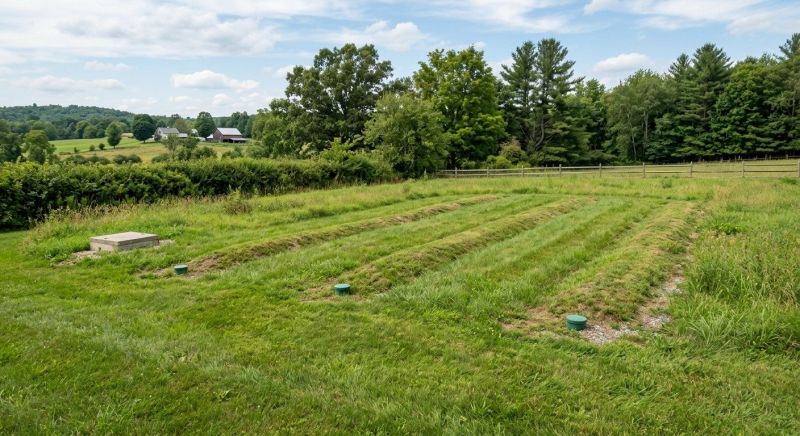
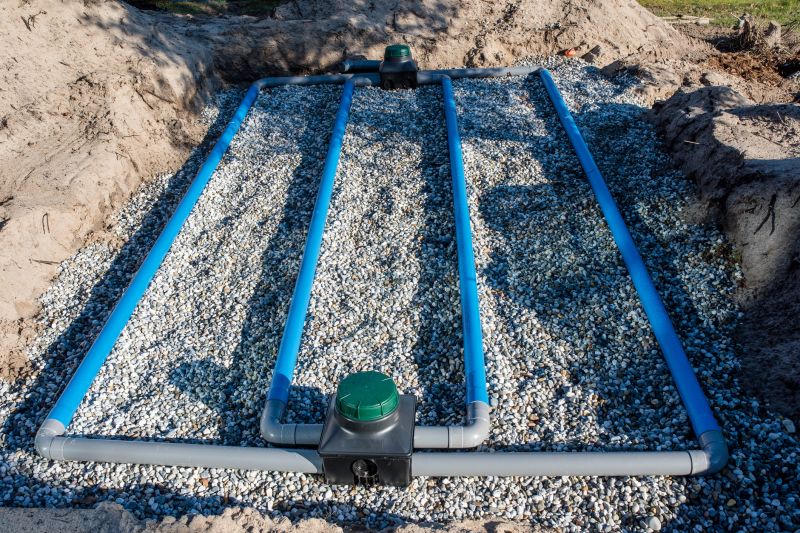
Drain field installation is a critical component of a home's septic system, responsible for safely dispersing treated wastewater into the surrounding soil. This service typically involves designing and placing drain fields, also known as leach fields or absorption beds, which are composed of perforated pipes laid in gravel trenches. Proper installation ensures effective wastewater management, prevents system backups, and protects property health. Homeowners planning new septic systems or replacing outdated drain fields often seek this service to ensure their property remains functional and compliant with local regulations.
Before requesting drain field installation, property owners usually want to understand site requirements, including soil type, property size, and local codes that may influence system design. It’s also important to consider the placement relative to wells, foundations, and water sources to prevent contamination. Proper assessment and planning can help identify the most suitable location and system type, ensuring long-term performance and minimizing potential issues with wastewater distribution. Contacting a professional for evaluation can help clarify these factors and support an effective installation process.
Many property owners in Denver, CO look into Drain Field Installation for repairs, replacements, upgrades, and appearance-related improvements.
Drain Field Design And Planning
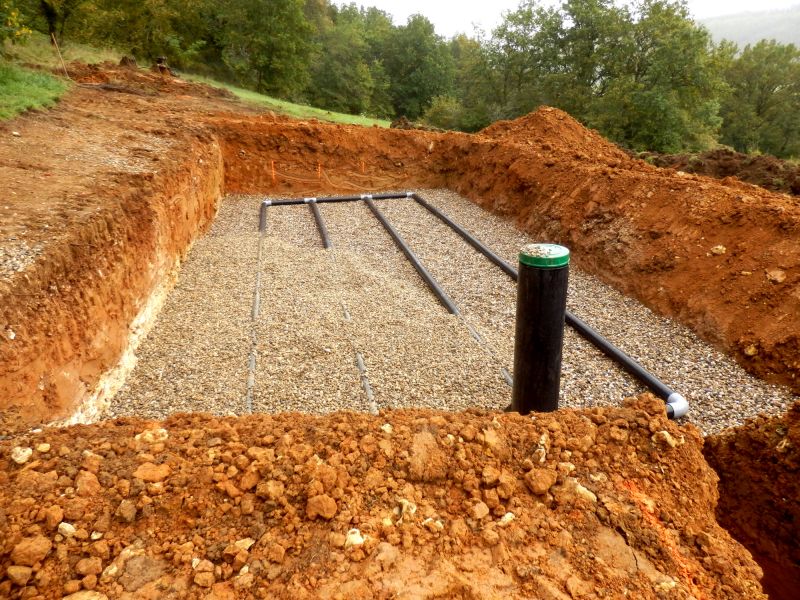
Proper design ensures effective wastewater treatment for your property.
Installation Process Overview
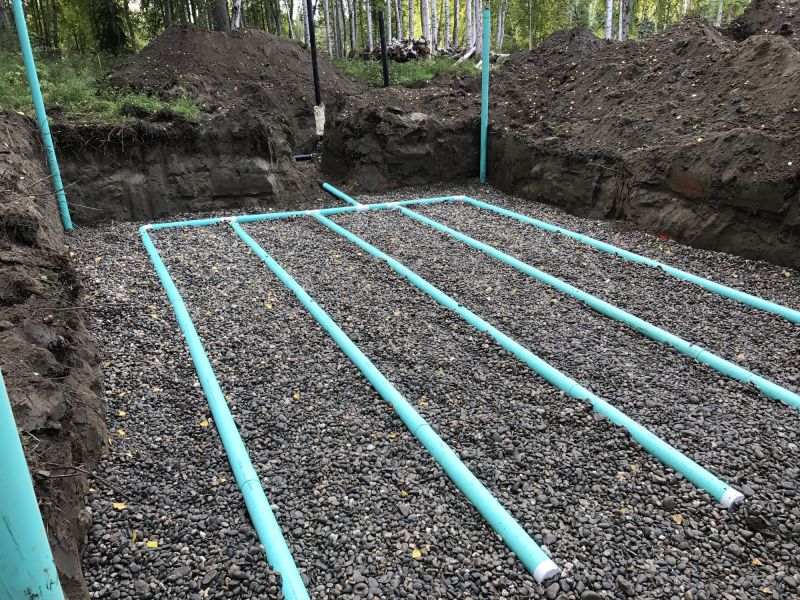
Installation involves preparing the site and carefully placing the drain field components.
Maintenance And Troubleshooting
Regular inspection helps prevent issues and prolongs the lifespan of your drain field.
Drain Field Installation in Denver, CO

Drain field installation is a critical component of a home's septic system, responsible for safely dispersing treated wastewater into the surrounding soil. This service typically involves designing and placing drain fields, also known as leach fields or absorption beds, which are composed of perforated pipes laid in gravel trenches. Proper installation ensures effective wastewater management, prevents system backups, and protects property health. Homeowners planning new septic systems or replacing outdated drain fields often seek this service to ensure their property remains functional and compliant with local regulations.
Before requesting drain field installation, property owners usually want to understand site requirements, including soil type, property size, and local codes that may influence system design. It’s also important to consider the placement relative to wells, foundations, and water sources to prevent contamination. Proper assessment and planning can help identify the most suitable location and system type, ensuring long-term performance and minimizing potential issues with wastewater distribution. Contacting a professional for evaluation can help clarify these factors and support an effective installation process.
Many property owners in Denver, CO look into Drain Field Installation for repairs, replacements, upgrades, and appearance-related improvements.
Common Drain Field Installation Jobs
Drain field installation involves setting up the underground system that disperses wastewater from a septic tank.
Leach field services include designing and installing trenches to ensure proper wastewater absorption.
Septic system upgrades may require new drain fields to improve system performance.
Replacement of old drain fields is necessary when existing systems fail or become inefficient.
Soil testing and site assessment help determine the best location for drain field installation.
Drain field extensions can be added to accommodate property expansions or increased wastewater flow.
Drain Field Installation Questions
What is drain field installation? It involves setting up a system that safely disperses wastewater from a septic tank into the ground, ensuring proper treatment and absorption.
What types of properties need drain field installation? Properties with septic systems or those not connected to municipal sewer lines typically require drain field installation to manage wastewater.
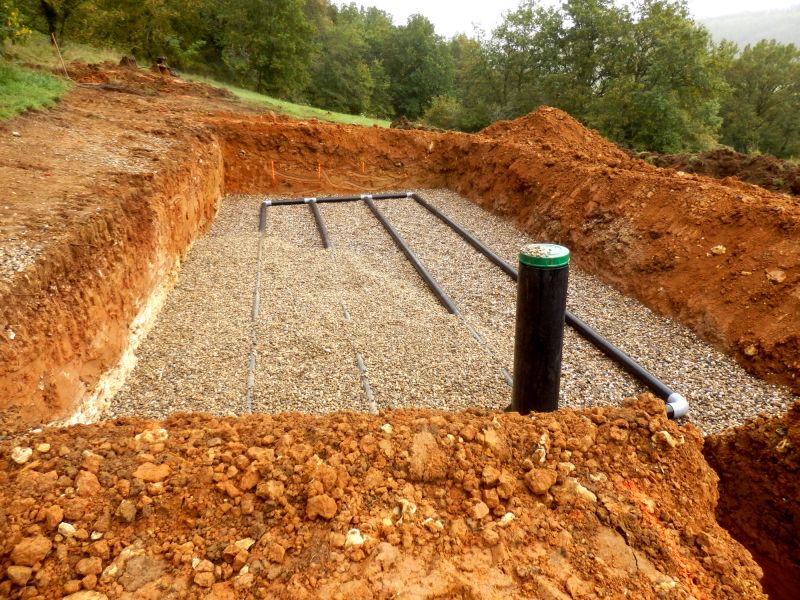
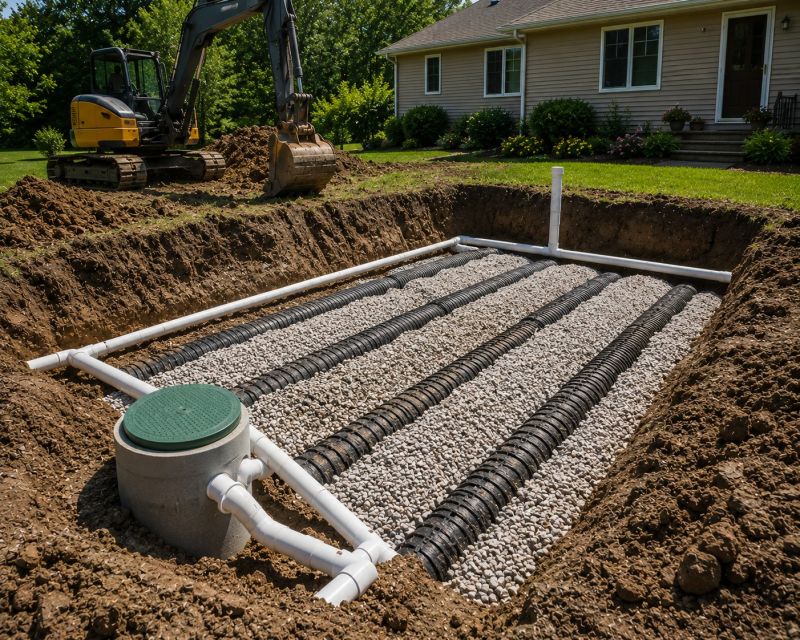
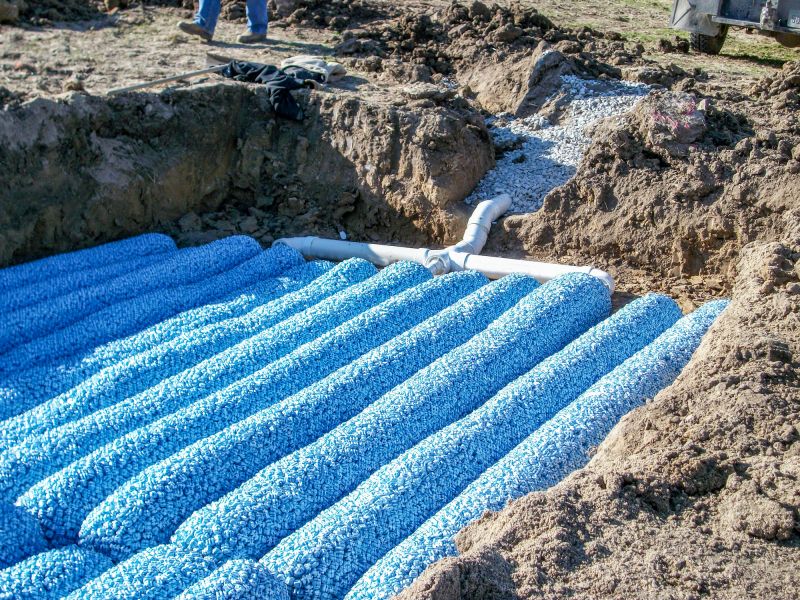
How is a drain field installed? The process includes excavating trenches, laying perforated pipes, and covering them with gravel to allow wastewater to seep into the soil.
What factors influence drain field placement? Soil type, property size, and water usage are key considerations when determining the best location for a drain field.
Request Drain Field Installation in Denver, CO
Use the quote form on this page to share the basics of your project and request more information for the type of work you need.